|
The Metabolic Approach to Cancer
Also known as the Metabolic Theory of Cancer - following the Press-Pulse method.
We are one of the very few clinics in the UK that can truly offer you total support throughout your implementation of the metabolic approach to cancer. Successful implementation needs a significant number of tools to hand.
- A deep insight into which foods feed cancer cells and which don't.
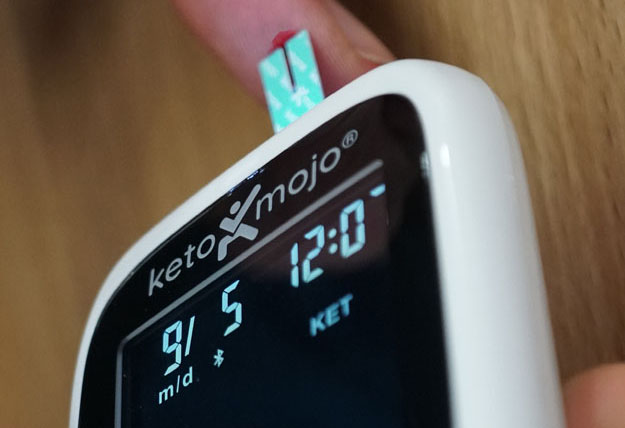
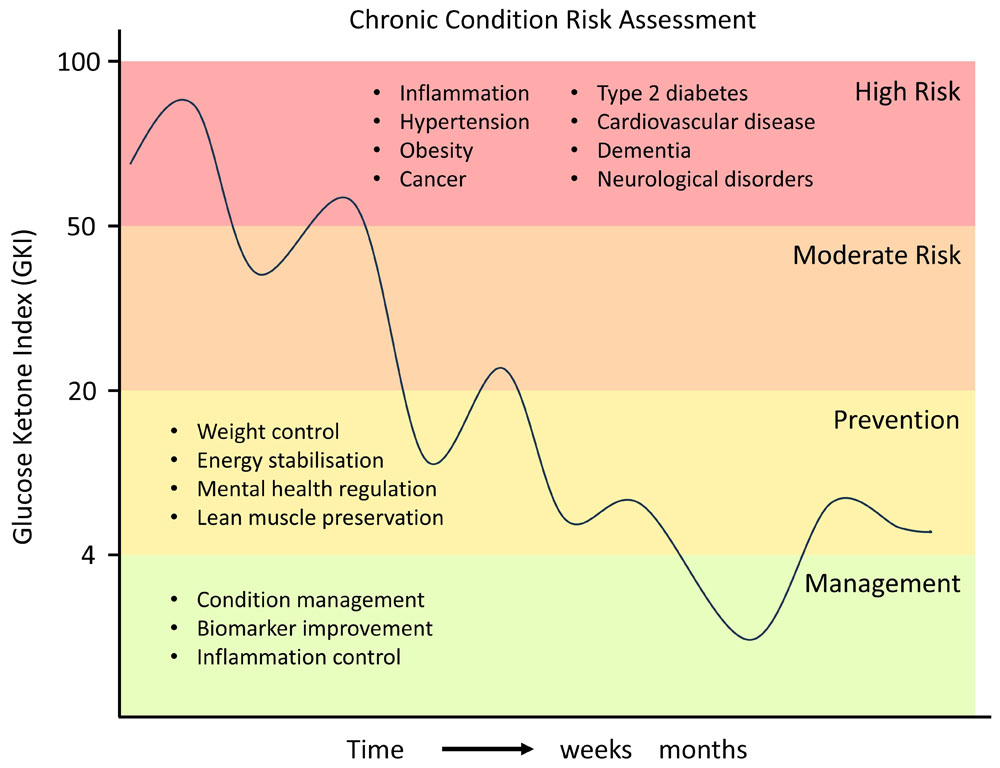
- A thorough appreciation of the level of ketosis necessary to successfully implement the metabolic approach to cancer. We are one of the first clinics to use the Glucose Ketone Index (GKI) to ensure your journey remains on track.
- hs-CRP (high sensitivity C-Reactive Protein) blood tests to assess your levels of inflammation.
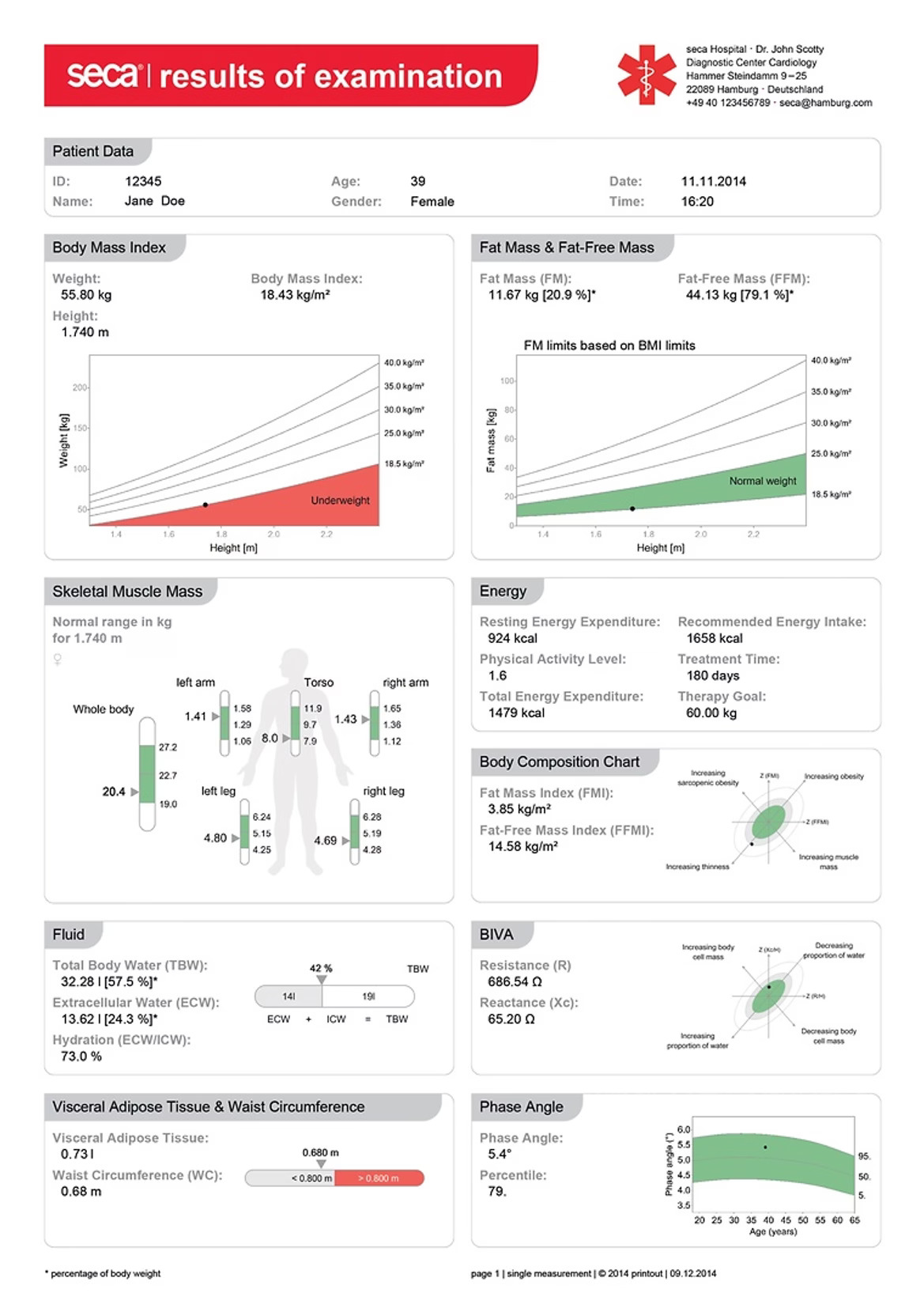
- SECA whole-body composition scan to ensure that your body weight and muscle mass remains healthy throughout.
- The use of medical grade hyperbaric oxygen therapy (HBOT).
- Employment of the latest data from research into glutamine inhibitors.
|
|
The Metabolic Cancer Clinic
|
Introductory Session:
- A private, 60-minute consultation for you and family member, friend or carer.
- The background and rationale behind the press-pulse metabolic approach.
- Explanations of the 'press' stage: calorie-restricted, low-carbohydrate diet and intermittent fasting.
- Introduction to the Glucose Ketone Index (GKI), its monitoring and charting.
- Explanations of the 'pulse' stage: glutamine inhibitors.
- Explanations of the regular blood tests and body composition monitoring.
- Details of why Hyperbaric Oxygen Therapy (HBOT) is so important in the metabolic approach.
- Personal suitability of the metabolic approach.
- Session cost: £99.
Screening Session:
- A private, 75-minute consultation for you and family member, friend or carer.
- Rapid pinprick blood tests are taken to establish your baseline levels: hs-CRP for your inflammation together with blood glucose and ketone measurements.
- A SECA whole-body composition scan and analysis to establish the level of any cachexia (uncontrolled weight loss that has occurred due to cancer or its treatments).
- Robust personal plan for the establishment of your low-carbohydrate diet.
- Session cost: £179.
Subsequent Sessions: We recommend that these sessions are conducted on a weekly basis for the first month, then monthly thereafter.
- Private, 45-minute consultation for you and family member, friend or carer.
- Rapid pinprick blood tests are taken to ensure that your inflammation is under control and that your GKI is being kept at the optimum level.
- A SECA whole-body composition scan and analysis to ensure that your body weight and muscle mass remain at a safe level.
- Establishment, or monitoring, of your personal glutamine inhibitor schedule.
- Establishment, or reviewing of your HBOT schedule*.
- Session cost: £129.
As part of these sessions, you also benefit from:
- Access to the latest scientific research and publications on the metabolic approach.
- Full use of Arden Forest Wellness members' lounge on each visit.
- Full expert help and support throughout your entire journey.
Optional PSA tests are recommended for those with prostate cancer at a cost of £49 per test, results in 25 minutes..
Couples/caregivers that accompany you are always welcome at no extra cost.
*HBOT is booked and charged separately. Caregivers that accompany you in the HBOT are always welcome at no extra cost.
|
Supporting you all the way
|
|
|
|
|
|
|
|
Necessary Tools for the Metabolic Approach to Cancer
|
|
Physiological and Biochemistry
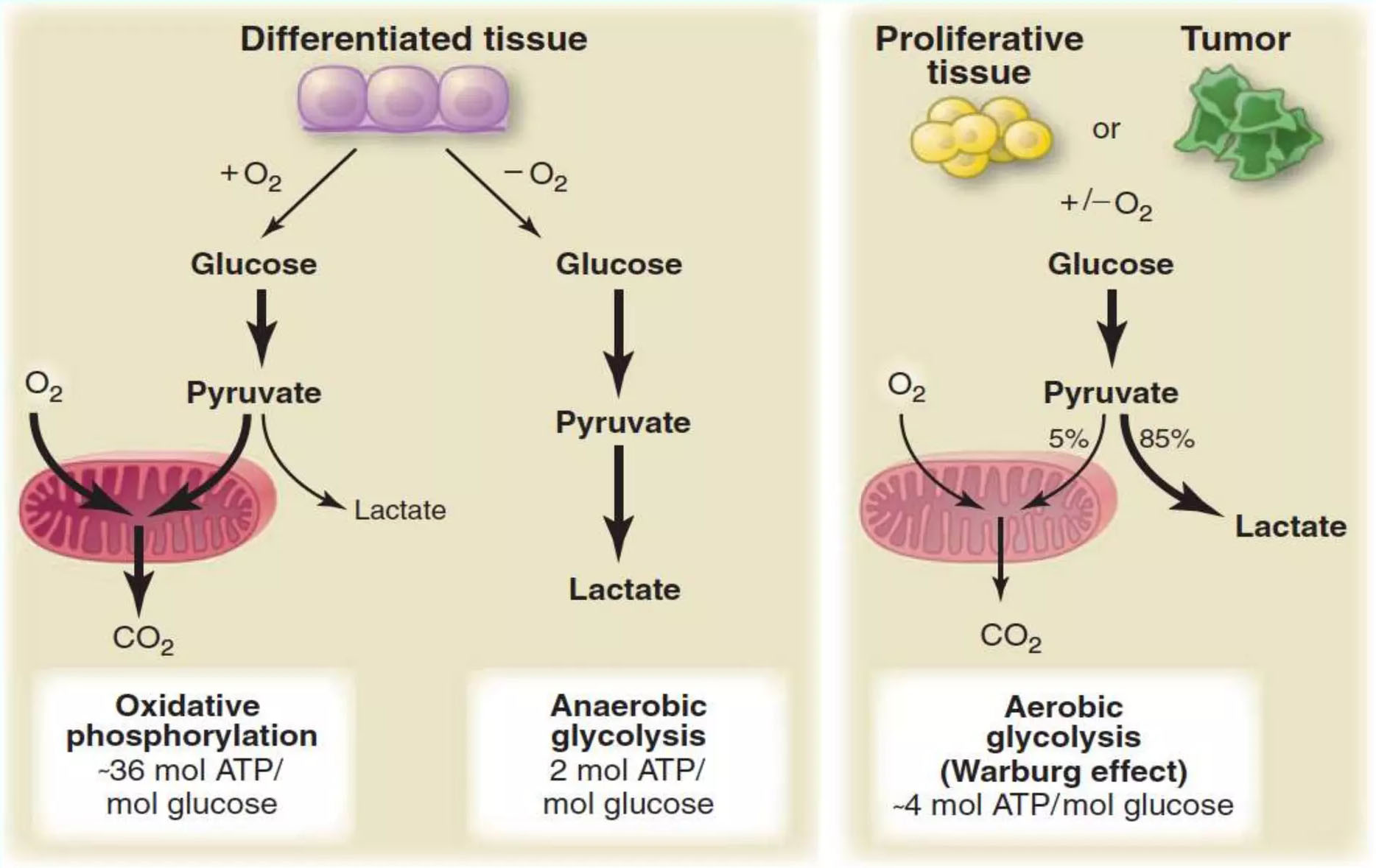
Deep physiological and biochemical insight into the metabolism of both normal cells and cancer cells.
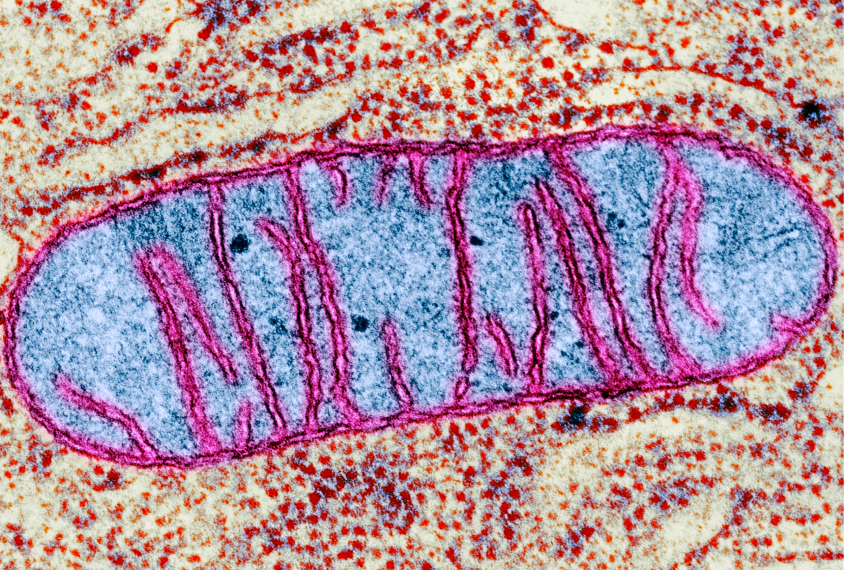
Many cancer cells have dysfunctional mitochondria and as a result have an increased tendency to use a non-typical method of extracting energy from food: fermentation. The two fermentable fuels are glucose and the amino acid, glutamine. The Ketogenic diet aims to starve cancer cells of the major part of their fuel.
|
Nutrition - The Press Element
True understanding of nutrition. And it's not what you might think or may have been told!
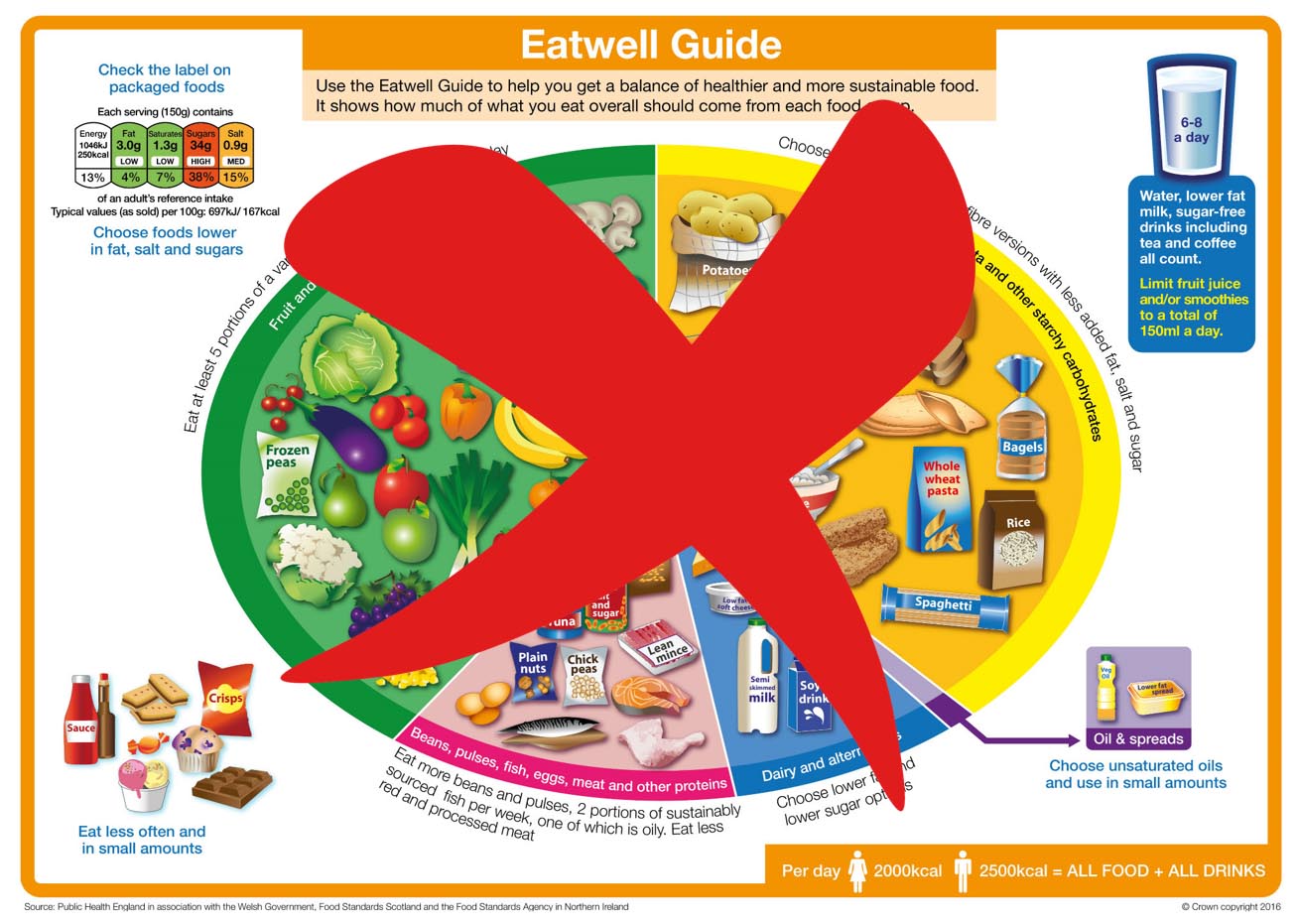
The Eatwell guide, formerly known as the Eatwell Plate, advocates approximately 50% of the energy you consume coming from carbohydrates. Carbohydrates are synonymous with glucose, the fuel of cancer. The press element of the metabolic approach seeks to reduce your carbohydrate consumption to reach the required GKI.
|
Measure
Ability to measure progress with accurate numerical results delivered in seconds using the very latest equipment designed specifically for use in the metabolic approach.
We regularly measure both your fasting glucose and ketone levels. From these, we calculate your GKI.
We also measure your whole-body composition which gives us fat levels, muscle levels, water levels etc.
In addition, we have a whole gamut of rapid, same-day blood tests, on hand that include inflammation markers like hs-CRP and tumour markers such as PSA.
|
Assess
The initial aim of the metabolic approach is to achieve a GKI of 4 or lower and keep it there for a month or two.
We also use other tools to monitor your body's reaction to the metabolic approach such as our SECA whole-body composition scanner. This is invaluable as it ensures that we keep you at both a healthy body weight and, very importantly, a healthy muscle/fat ratio.
The blood tests allow access to how the metabolic approach might be progressing.
|
Glutamine Inhibition - The Pulse Element
The pulse element of the metabolic approach requires periodic glutamine inhibition (or glutaminolysis inhibition). We recommend, and can supply, berberine-based inhibitors which can be taken as an oral supplement.
|
The Final Insult
Once we have the cancer cells under starvation-induced stress, we offer an extended course of 2ATA hyperbaric oxygen therapy utilizing 100% oxygen to hyper-oxygenate the body. The huge amount of excess oxygen that accumulates in cancer cells because of HBOT creates a toxic level of reactive oxygen species (ROS) otherwise known as free radicals. These ROS can cause havoc in the cancer cells ultimately causing their outer membranes to fail in a process called lipid peroxidation. Ordinary cells thrive on the excess oxygen as it gives them an opportunity for repair and rejuvenation.
|
Integrative
Working alongside your medical team is important and very useful but not absolutely necessary - ultimately, it's your choice; it's your journey.
|
|
Metabolic Approach Frequently Asked Questions
|
- Why does my oncologist not recommend this?
-
They are not yet allowed to.
All medical practitioners in the UK, be they NHS or private, are to a great extent bound to follow strict prescriptive and procedural guidelines issued by the likes of the NHS, NICE (National Institute for Health and Care Excellence) and the GMC (General Medical Council). The metabolic approach is yet to be added to these guidelines.
This is the same for all medicines and therapies. Before any are approved, they usually go through an extremely protracted and often frustrating pre-approval period. T'was always and will always be thus.
|
- What actually happens during the metabolic approach?
-
Everyone is different, there's no one-size-fits-all. But here's a very broad brushstroke outline:
- During a one-hour introductory session with us we will cover all the basics of the metabolic approach and discuss whether we all believe that it might be something that you can embrace.
- During a second session of about 75-minutes in duration we will conduct a thorough assessment of your condition and assuming all is fine we will put a personal plan together.
- The personal plan often includes a water-only fasting period, usually for two or three days. This kick-starts ketosis.
- When the fasting period is over the calorie-restricted, low-carbohydrate diet is commenced.
- Regular 45-minute consultation sessions are scheduled so that we can monitor the effectiveness of the diet, the levels of inflammation and your body composition.
- When we are happy that you have acclimatised to the diet, we gradually introduce the intermittent glutamine inhibitor schedule whilst closely monitoring body weight and muscle/fat ratio.
- At this time, we recommend an intensive course of HBOT followed by maintenance sessions.
- We would hope that this intensive element would last one to two months, after which a maintenance protocol will be discussed.
|
- Can I do the metabolic approach alongside my other treatments?
-
Absolutely! It's our preferred approach.
As part of this, we recommend that you inform your medical team so that they are aware.
|
- For how long do I need to keep the low-carbohydrate diet going?
-
The single answer is that, to some extent, it's for life.
You should keep in ketosis (defined as having a GKI of 4 or below) for the time it takes to place you in the management phase - normally one to two months. After which it is usual to maintain a low-carbohydrate diet (defined by having a GKI of 20 or below), for the majority of the time thereafter.
|
- Who would the metabolic approach to cancer not be for?
-
This list is not exhaustive, but mainly concerns those who have a condition in which oils and fats are not digested or well tolerated:
Cancers of the gut, liver and pancreas.
Those with a history of eating disorders.
Those with kidney disease.
Those who have had bariatric surgery.
Pregnancy.
Frailty.
Certain metabolic conditions including:
SCOT enzyme deficiency.
Pyruvate carboxylase over activity.
Carnitine shuttle conditions.
Fatty acid oxidation disorders (FAODs).
|
|
|
If you would like to know more about the metabolic approach to cancer, Steven Bartlett has interviewed the USA pioneer, Prof Thomas N Seyfried, who explains it all.
|
|